
Office renovations come with long checklists covering everything from flooring to furniture. What rarely makes the list is the tangle of dead wiring above the ceiling tiles, left behind by old phone systems and tenants who moved on without taking their lines with them. Older office buildings in San Diego end up needing cable removal and cleanup, and a remodel is usually when the problem becomes impossible to ignore.
Get the timing right, and the work slots neatly into your construction schedule. Get it wrong, and you could be reopening brand-new ceilings. Today, we’re looking at why that old wiring should come out before you renovate and where it fits in a typical remodel.
Should old cables be removed before renovating?
In most cases, yes. A renovation is the least disruptive time to clear out abandoned wiring, because the ceilings and walls you’d otherwise have to open are already coming apart. Once new ceiling tiles and light fixtures go in, reaching those same runs means working around fresh finishes or risking damage to them.
If you’ve already spotted the clues that dead wiring is hiding overhead, the remodel is the natural moment to deal with it.
Why clearing it first pays off
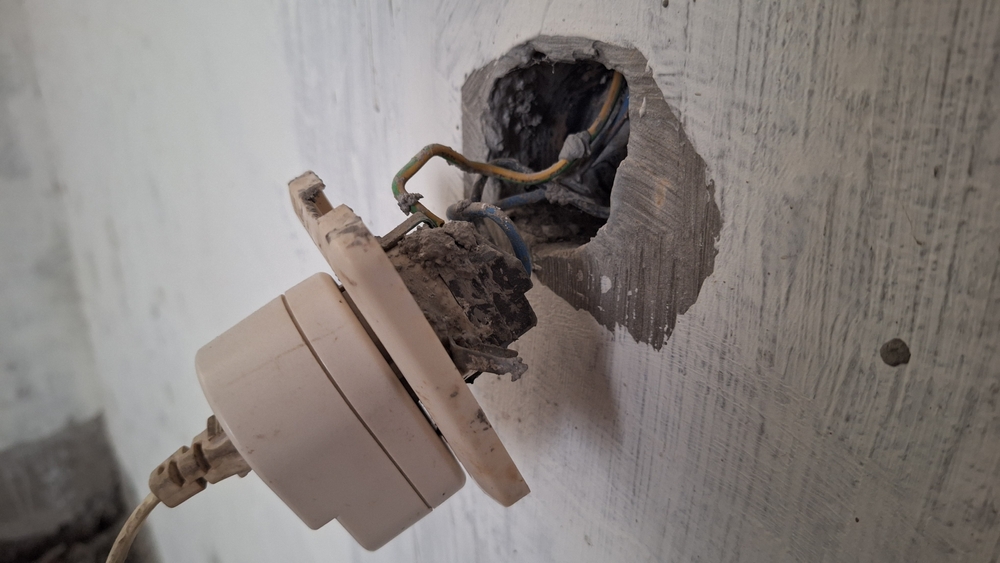 There are several practical reasons to pull dead lines before construction ramps up:
- Code expectations: The National Electrical Code calls for accessible abandoned low-voltage wiring to come out unless it’s tagged for future use. Enforcement varies by jurisdiction, but a permitted renovation can put that ceiling space in front of an inspector.
- Room for the new system: Dead bundles crowd the trays and pathways new Cat6A or fiber runs will need, which can lead to awkward routing or added hardware.
- Less fuel in the ceiling: Even plenum-rated jackets are combustible, so every abandoned run adds material that can burn and smoke in a fire.
- A cleaner handoff to IT: When only live, labeled lines remain, future troubleshooting and moves go faster.
Some building owners write this directly into their project requirements. The University of Minnesota’s renovation standards, for example, require abandoned voice and data wiring to come out at the project’s expense, citing the NEC.
When existing wiring can stay
Not every old run is dead weight. Relatively recent wiring that tests well and lands where the new floor plan needs connections can be tagged for future use and kept in service. Older Cat3 and Cat5 lines are another story; they often fall short of what a modern office needs and are usually better replaced.
Wiring sealed inside walls that aren’t being opened generally isn’t considered accessible, either, so nobody expects you to tear into drywall to reach it. The only reliable way to sort one category from another is to trace and test every run before demolition begins.
When should cable removal happen during a remodel?
The work should span the whole project: plan it during design, pull dead runs once demolition opens the ceilings, and finish before any new wiring goes in. Squeezing all of it into demo day tends to create scheduling headaches.
During design and planning
Bring in a low-voltage contractor while drawings are still being finalized. A walkthrough at this stage traces existing runs and separates live lines from abandoned ones, giving your designer an accurate picture of available pathways.
Loop in your IT team, too, since they’ll know which connections have to stay up during construction. It’s also the right time to settle who should pull your data lines and which work belongs to the electrician, so neither trade is surprised on demolition day.
Once demolition opens the space
With the ceiling grid down and old fixtures out, crews can reach abandoned runs from end to end. This is when most of the physical work happens, and knowing what a complete abatement project covers helps you budget for more than wire alone, including dead jacks and patch panels.
One rule doesn’t bend: live lines have to be identified and labeled before anyone starts cutting, or a demo crew can knock out phones and internet for the parts of the building still in use. In occupied offices, the work is often phased by zone or scheduled after hours.
Before new wiring and ceilings go in
Wrap up before the new system is roughed in. Fresh runs should go into clear trays and pathways rather than being threaded around old bundles, and openings through fire-rated walls need to be sealed before inspection. Ask for documentation showing what came out and what was tagged to stay. That record gives whoever manages the network after move-in a reliable starting point.
Who in San Diego offers prompt cable removal and cleanup?
Give our team at Network Cabling a call. After more than 30 years of working in buildings around the region, we’ve learned that the easiest renovations are the ones where we arrive before the demo crew does.
Our certified technicians and project managers start by checking your existing wiring against NEC and local code requirements and marking every line your business still depends on.
From there, we take out the dead runs as quickly and quietly as possible so your contractor can keep moving. Gutting a suite with a view of Balboa Park or refreshing a single floor of an office park up in North County? Schedule a free consultation, and let’s find the right spot for this work in your timeline.