
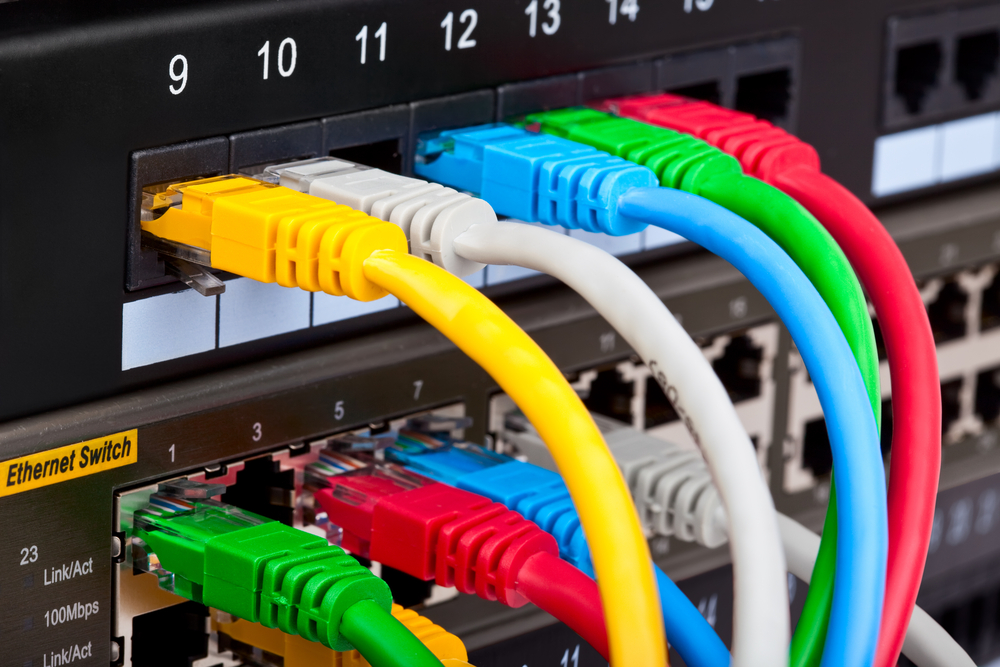
In the world of data centers, cabling is often overlooked. With most of the attention on cooling systems and power management, cables often get sidelined, even though proper cable management can make all the difference between a seamless data transfer and an unreliable connection hindering your operations.
The truth is, to get the most out of your setup, it’s important to understand key properties of different cable types, how they work, and how to maximize your performance depending on your infrastructural needs. In today’s guide brought to you by the leading providers of data center cabling solutions in San Diego, we’ll take a look at which cable types are best used in data centers. Let’s dive in!
What cables are used in a data center?
When it comes to data center cabling, the two most commonly used types are copper and fiber optic cables. Copper cables, such as coaxial and twisted pair cables, have reliably linked servers, routers, and switches in the past.
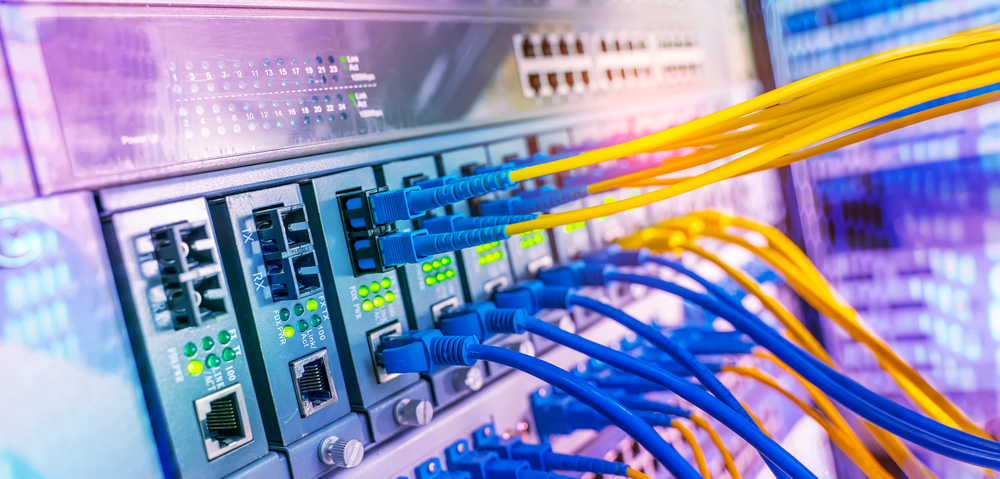
But with the advancement of technology and demands for higher bandwidth, fiber optic cabling is becoming increasingly present in data centers, especially in back-bone cabling and long-distance connections. Some of the commonly used fiber optic variants are Single-Mode Fiber, Multi-Mode Fiber, and MTP/MPO cables. That said, how do you know which setup works best for you? Read on as we compare them.
Which is better, fiber or copper?
Choosing between fiber and copper isn’t as straightforward as it seems to be. While fiber comes with multiple advantages over its older counterpart, traditional copper cables are still relevant in specific situations.
Overall, both options have their unique set of advantages, and in some cases, data centers rely on both for a cost-efficient connection. Whether you’re setting up a point-to-point or a structured network, choosing the right cable type and avoiding common mistakes in cable installation is essential.
Speed & bandwidth
When it comes to speed and bandwidth, fiber optics wins hands down. While copper variants can efficiently support up to 10 Gbps in short distances, fiber optics can seamlessly reach speeds of up to 100 Gbps and more. On top of that, fiber optic cables are seeing incredible advancement when it comes to speed, making it not only a faster option but also future-proof.
Distance
For local networks, copper cables still provide a reliable high-speed connection, making them ideal for data transmission over short-to-medium distances. On the other hand, fiber optics uses light pulses to transmit data at greater distances without signal loss, making it more suitable for long-range transmissions.
This doesn’t mean that copper cables are obsolete in data centers, however. The simplicity of copper cable installation still make it a viable option for short-distance connections, such as shorter runs inside racks or between nearby devices, where Power over Ethernet is more beneficial.
Cost efficiency
When it comes to investment, copper cables have a significantly lower upfront cost, making them an ideal choice for smaller installations where the shorter reach of copper cables will suffice. Alternatively, fiber optics is more expensive upfront, but has lower power consumption and generates less heat, which directly translates to smaller maintenance costs.
Use case
To get the most out of cabling in your data center, it’s important to consider several key factors, including budget, scope of the setup, and performance needs. Some data centers combine both options for an optimal cost-performance ratio, according to their respective strengths and weaknesses. Some typical scenarios include:
- Copper cables for low-budget projects with smaller bandwidth needs.
- Large-scale, high-performance facilities benefit from fiber optics cables the most.
- Growing enterprises opt for fiber optics to future-proof their operations.
If you’re unsure which strategy works best for you, don’t hesitate to reach out to our team, and we’ll assess your operations and set up a network tailored to your needs and operational demands.
Where to find efficient data center cabling solutions in San Diego?
If you’re looking for an experienced team for your data center design, installation, and maintenance, look no further than Network Cabling! With over 30+ years of experience and utmost dedication to quality, our certified professionals will boost your operations with seamless data transmission according to the latest industry standards. Whether you’re close to the San Diego Air & Space Museum or anywhere else in the region, our team is just one quick call away!