
What is the most common mistake people make when implementing fiber optics?
Bending cables beyond bend radius, mixing wrong fiber types, pulling cables forcibly, using unclean connectors and improper cable routing are some of the most common mistakes made when integrating fiber optics internet. In many cases, these issues occur together, compounding performance problems and making troubleshooting more complex later on. Here are the potential mistakes you should be aware of:
1. Exceeding cable bend radius
Each fiber optic cable has a bend radius limit that people often ignore. It’s important to bend within the allowable radius, as fiber includes delicate glass strands which easily break if bending over the recommended limit. This serious mistake leads to signal loss, broken fibers, and reduced cable lifespan. Stick to the manufacturer’s instructions for peace of mind.
2. Installing wrong fiber type
Compatibility problems occur when single-mode cabling is used where multimode is required. This mismatch can reduce performance, cause failures, and increase maintenance costs. Different cable types are designed for specific use cases, so it’s important to verify specifications before making connections.
3. Pulling cables too hard
These cables are not designed to withstand excessive pulling force. Applying too much tension can stretch internal strands and cause fractures or micro-cracks, which negatively affect performance. To reduce strain, follow tension limits, use approved lubricants when allowed, and rely on equipment designed for this purpose.
4. Using dirty connectors
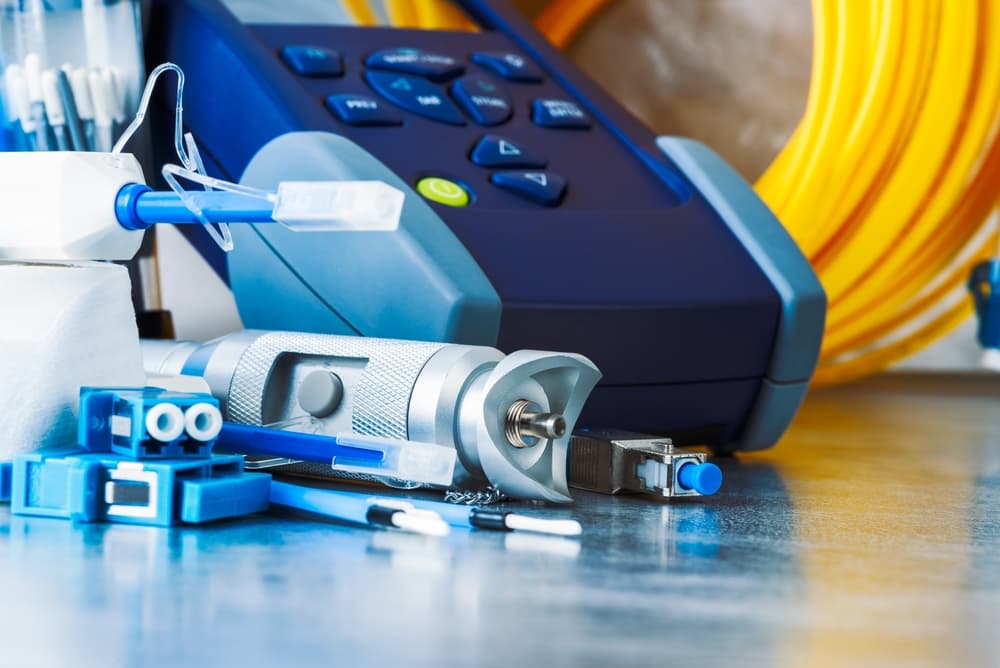
Neglecting connector cleanliness is a widespread issue across many industries integrating fiber-based networks. Dust, oil, or residue on connectors can disrupt network stability, even though the particles involved may be microscopic and difficult to detect. Use proper tools such as inspection scopes, lint-free wipes, cassette cleaners, and isopropyl alcohol to keep connection points clear.
5. Poor cable routing
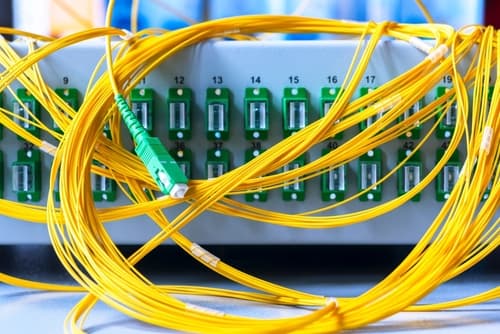
Improper routing makes future maintenance more difficult and increases the risk of interference or physical damage such as pinching or crushing. A professional fiber internet setup requires advance planning, including avoiding high-traffic zones, sharp edges, and electrical equipment. Cable trays and conduits provide added protection and help keep layouts organized.
Does anyone offer meticulous fiber optic cabling management in San Diego?
To help you avoid these or any other installation issues, Network Cabling provides experienced teams to handle the work for you. For 30+ years, we’ve been supporting homes and businesses throughout San Diego and nearby areas with high-speed, stable, and secure internet.
From site preparation and cable selection to precise integration and thorough testing, their team ensures everything is configured correctly. Whether you’re located in the vicinity of San Diego Zoo or elsewhere in the area, we’ve got you covered. Get in touch for a free quote and options for customized solutions tailored to your needs and industry.